
Composting at home is a fantastic way to reduce kitchen and yard waste while creating nutrient-rich soil that benefits your plants. Whether you have a large backyard or a small balcony, composting can be adapted to suit your space and lifestyle. If you’re new to composting, this guide will walk you through the beginner tips you need to get started successfully.
What is Composting?
Composting is the natural process of recycling organic materials like food scraps, leaves, and grass clippings into a rich soil amendment called compost. This compost improves soil health by adding nutrients, retaining moisture, and encouraging beneficial microbes.
Why Compost at Home?
– Reduces landfill waste: Diverts organic waste from garbage bins.
– Improves garden soil: Adds valuable nutrients to plants.
– Saves money: Less need to buy commercial fertilizers.
– Environmentally friendly: Lowers greenhouse gas emissions.
Getting Started: Basic Requirements
Choose a Compost Bin or Pile
The first step is selecting a place to compost.
– Compost bin: Enclosed containers are great for neatness and pests.
– Compost pile: Simple and effective if you have space.
– Tumbler bin: Rotating bins speed up decomposition and make turning easier.
Select a spot that is convenient, has good drainage, and gets some sunlight but is not too hot or exposed.
Understanding Green and Brown Materials
Compost needs a good mix of two types of materials:
– Green materials: Nitrogen-rich items like vegetable scraps, coffee grounds, grass clippings.
– Brown materials: Carbon-rich materials such as dry leaves, cardboard, paper, straw.
A good rule of thumb is to mix about 2-3 parts brown to 1 part green for an efficient compost.
Step-by-Step Composting Tips for Beginners
1. Start with a Layered Approach
Begin your pile or bin by layering browns and greens alternately:
– Start with a layer of coarse browns (twigs or straw) to help air circulation.
– Add a layer of greens next.
– Repeat layering to build a good structure.
2. Chop or Shred Materials
Smaller pieces break down faster. Chop kitchen scraps and shred leaves if possible to speed up the process.
3. Keep Your Compost Moist
Compost should be as damp as a wrung-out sponge. If it feels dry, add water; if too wet, add more browns to absorb excess moisture.
4. Turn or Mix Regularly
Turning your compost every 1–2 weeks aerates the pile and speeds decomposition. Use a pitchfork or compost aerator to mix the materials well.
5. Avoid Adding Certain Items
To keep your compost safe and healthy, avoid:
– Meat, dairy, and oily foods (attract pests and cause odors)
– Diseased plants or weeds with seeds
– Pet waste (can contain harmful pathogens)
6. Watch Temperature and Smell
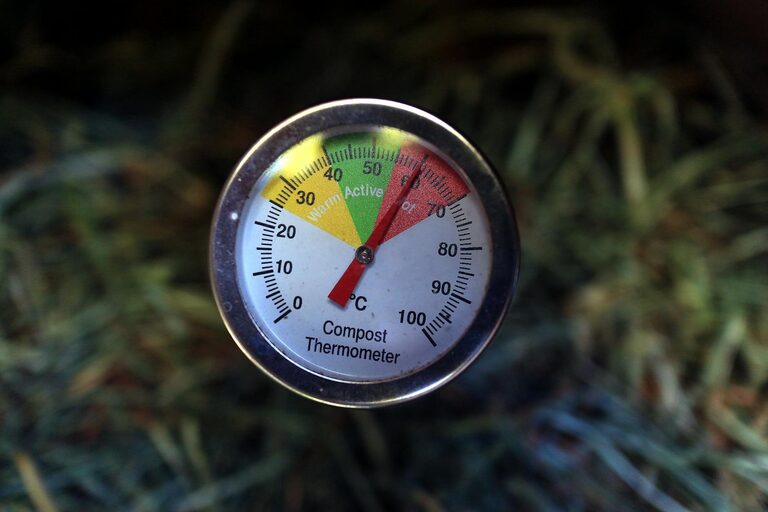
A healthy compost pile warms up as microbes break down materials—ideal temps are between 135-160°F (57-71°C). If your pile smells bad, it may be too wet or lack enough browns.
7. Harvest Finished Compost
After a few months, your compost will look dark, crumbly, and smell earthy. This means it’s ready to use as mulch or soil amendment.
Composting Methods to Consider
Outdoor Compost Pile
Traditional and simple, great for large gardens but needs space and some maintenance.
Compost Bin or Tumbler
Tidy and pest-resistant options available in many sizes. Tumblers speed up the process by making turning easy.
Vermicomposting (Worm Composting)
This method uses worms to break down scraps quickly in a bin. Perfect for indoor composting or small spaces.
Common Challenges and How to Fix Them
| Problem | Reason | Solution |
|————————|—————————————–|———————————–|
| Smelly compost | Too wet or lacks browns | Add dry leaves, turn pile, aerate |
| Slow decomposition | Materials too big or cold | Chop scraps, turn more often, add greens |
| Attracting pests | Food scraps like meat or too exposed | Avoid prohibited items, secure bin |
| Dry pile | Not enough moisture | Add water and greens |
Tips for Composting Success
– Keep a small kitchen caddy for scraps to make collection easy.
– Use finished compost in garden beds, pots, or as mulch.
– Stay consistent—composting is easier when done regularly.
– Educate family and neighbors to help reduce waste together.
Conclusion
Composting at home is a rewarding and eco-friendly practice that anyone can start. With the right materials, a little patience, and some simple maintenance, you’ll soon be transforming waste into valuable compost that feeds your garden and reduces your environmental impact. Give it a try today and watch your garden thrive!
—
Feel free to share your composting experiences or questions in the comments below!