
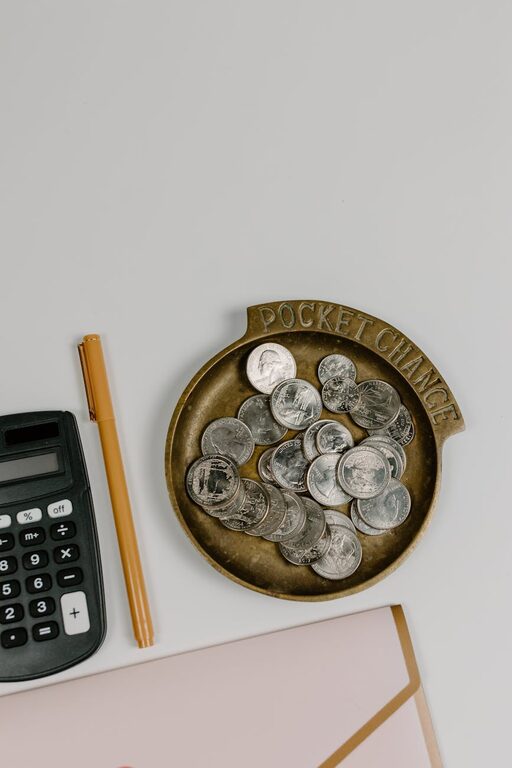
Managing your money wisely doesn’t have to be complicated or overwhelming. Developing simple budget habits in your everyday life can make a significant difference in your financial health and peace of mind. Whether you want to save more, reduce unnecessary spending, or just get a clearer picture of where your money goes, this post offers practical tips anyone can incorporate into their routine.
Why Simple Budget Habits Matter
Budgeting often sounds like a big, daunting task, but it doesn’t have to be. Starting with small, manageable habits sets you up for long-term success. Simple habits help you:
– Gain control over your spending
– Avoid unexpected financial stress
– Build emergency savings effortlessly
– Make informed decisions about your money
The key is consistency and keeping your approach straightforward.
Basic Steps to Get Started
Before diving into specific habits, here are some foundational steps:
1. Track Your Spending
Know where your money goes by tracking expenses for at least one month. Use a notebook, spreadsheet, or one of many free apps.
2. Set Clear, Realistic Goals
Decide what you want to achieve: paying off debt, saving for a vacation, or building an emergency fund. Small goals are easier to maintain.
3. Create a Simple Budget
Plan categories for essentials like groceries, bills, and transportation, plus a category for discretionary spending.
Once you have a general idea, here are everyday habits to make budgeting a natural part of life.
Everyday Budget Habits to Adopt
Habit 1: Make a Daily Spending Limit
Set a small, realistic daily limit to keep spending in check. For example, decide “I won’t spend more than $10 on non-essentials today.” This encourages mindfulness and reduces impulse buys.
Habit 2: Plan Your Meals
Eating out can add up fast. Planning meals each week helps avoid last-minute takeout and food waste. Prepare grocery lists and stick to them — it’s easier to control food expenses this way.
Habit 3: Use Cash Envelopes for Discretionary Spending
The cash envelope system is helpful for managing categories like entertainment or dining out. Withdraw your budgeted amount in cash and place it in labeled envelopes. When an envelope is empty, you know you’ve reached your limit.
Habit 4: Automate Savings
Set up an automatic transfer to your savings account each payday. Even a small amount adds up over time. Treat your savings like a fixed expense so it becomes a priority.
Habit 5: Avoid Impulse Purchases
Create a 24-hour rule: If you want to buy something that’s not necessary, wait a day before purchasing. Often, the urge passes, saving you money.
Habit 6: Review Your Budget Weekly
Spend 10-15 minutes each week reviewing your spending. Adjust your budget categories if needed and celebrate small wins. Keeping your finances top of mind helps maintain motivation.
Habit 7: Limit Subscription Services
Check and reassess subscription services regularly. Cancel those you no longer use or need — streaming, magazines, apps. These small recurring expenses can quietly drain your budget.
Habit 8: Buy Generic Brands
Opt for store brands over name brands for everyday items. The quality is often similar, and the savings add up quickly.
Tips for Staying Consistent and Motivated
Budgeting habits become easier the more you practice them. Here are some tips to help stay on track:
– Set reminders: Use phone alarms or calendar events to review your budget or track spending.
– Get accountability: Share your goals with a friend or family member who can encourage you.
– Celebrate milestones: Recognize progress like saving your first $100 or paying off a bill. Small rewards keep motivation high.
– Keep it flexible: Life is unpredictable. Allow for occasional adjustments without guilt.
Final Thoughts
Adopting simple budget habits doesn’t mean restricting yourself or keeping complicated spreadsheets. It means being mindful of your money, setting clear goals, and making steady progress every day. Start small, stay consistent, and watch your financial confidence grow.
Remember, budgeting is a personal process—what works for one person may differ for another. With these simple habits, you’ll find a rhythm that fits your lifestyle and helps you feel more secure about your finances.
Happy budgeting!